
Maintaining uninterrupted temperature control is one of the most demanding operational challenges in modern supply chain management. Cold storage facilities, refrigerated distribution centers, and pharmaceutical logistics hubs run heavy duty refrigeration compressors around the clock to preserve perishable inventory. While these cooling systems work relentlessly to extract heat from insulated storage chambers, vast amounts of thermal energy are continuously generated as a byproduct of gas compression and condensation. Historically, logistics operators treated this energy as industrial exhaust, rejecting it directly into the atmosphere through roof mounted condensers and cooling towers. As energy prices fluctuate and decarbonization targets tighten across global supply chains, discarding this high grade thermal energy is an expensive oversight. Installing heat recovery loops powered by compact plate heat exchangers allows warehouse operators to intercept this thermal stream and repurpose it across the facility, transforming a refrigeration cost center into a self sustaining heat source.
The hidden thermal potential inside refrigerated logistics hubs
Industrial refrigeration systems function by absorbing heat from chilled rooms and transferring it to a circulating refrigerant. When compressors pressurize refrigerants such as ammonia, carbon dioxide, or synthetic blends, the refrigerant vapor reaches elevated discharge temperatures ranging from 140 to over 200 degrees Fahrenheit. In conventional setups, cooling towers or air cooled condensers expend additional electricity on fans and pumps solely to dump this thermal charge outdoors.
For every kilowatt of electrical power consumed by a compressor motor, between 1.2 and 1.5 kilowatts of thermal energy is rejected. In a large distribution warehouse utilizing multiple multi-stage compressor racks, the rejected thermal output frequently totals hundreds or even thousands of kilowatts. This continuous flow represents an enormous reservoir of baseline heating capacity. Instead of paying utility providers for natural gas or supplemental electric heating to warm staff offices, service docks, and domestic hot water, distribution hubs can supply their entire thermal profile by harvesting their own rejected heat.
How plate heat exchangers transform waste heat into usable energy?
Capturing thermal energy from high pressure refrigerant lines requires exceptionally efficient, durable, and space conscious hardware. This is where plate heat exchangers prove superior to older shell and tube configurations. Composed of corrugated plates pressed together to create narrow alternating fluid channels, these units induce high fluid turbulence even at moderate flow velocities. This turbulence delivers unmatched thermal transfer rates, prevents particulate fouling, and enables close approach temperatures between the incoming refrigerant and the receiving water glycol circuit.
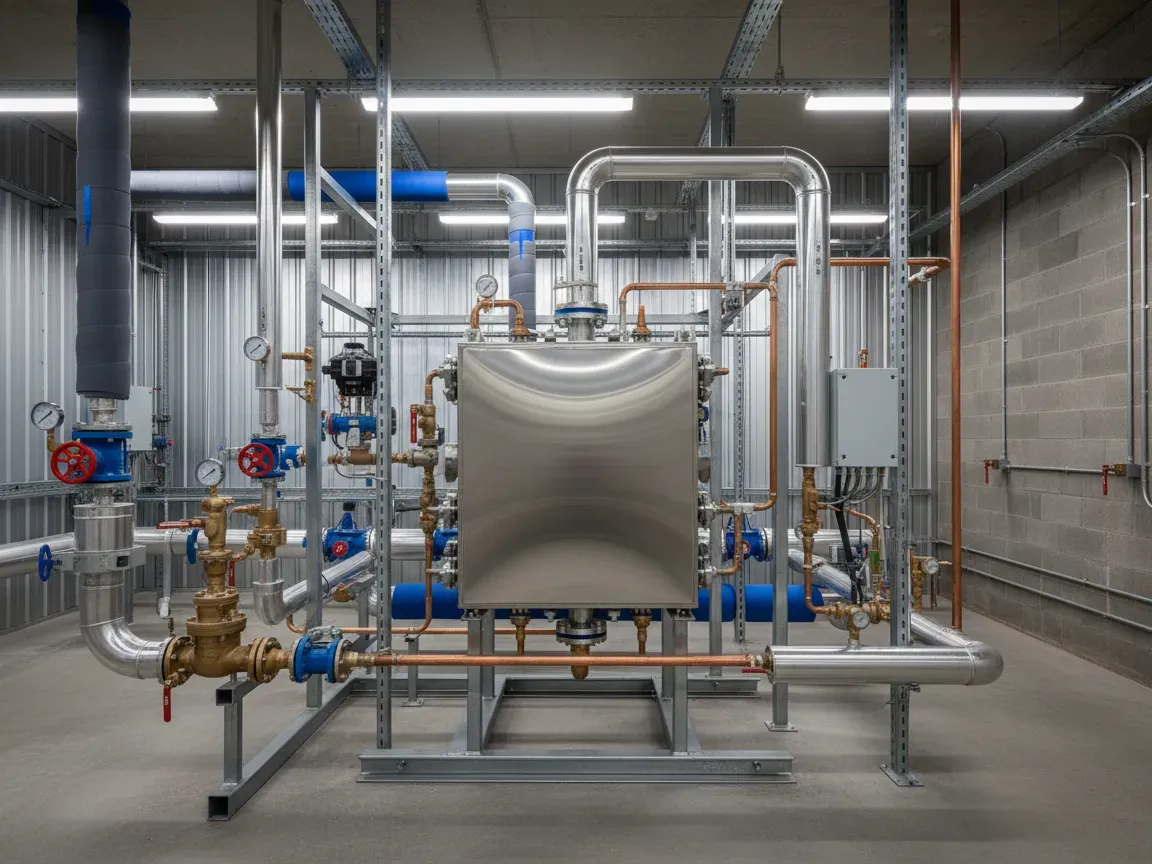
In heavy commercial refrigeration racks, engineers frequently specify robust stainless steel plate heat exchangers positioned directly downstream of the compressor discharge header. Operating as desuperheaters, these units tap into the hottest phase of the refrigeration cycle without interrupting condenser operations. The refrigerant flows across one set of plates while a secondary hydronic loop circulates clean water through the adjacent channels. The captured heat transfers instantly into the water circuit, which then routes hot water to buffer tanks for distribution throughout the logistics center.
Primary applications for reclaimed heat across warehouse operations
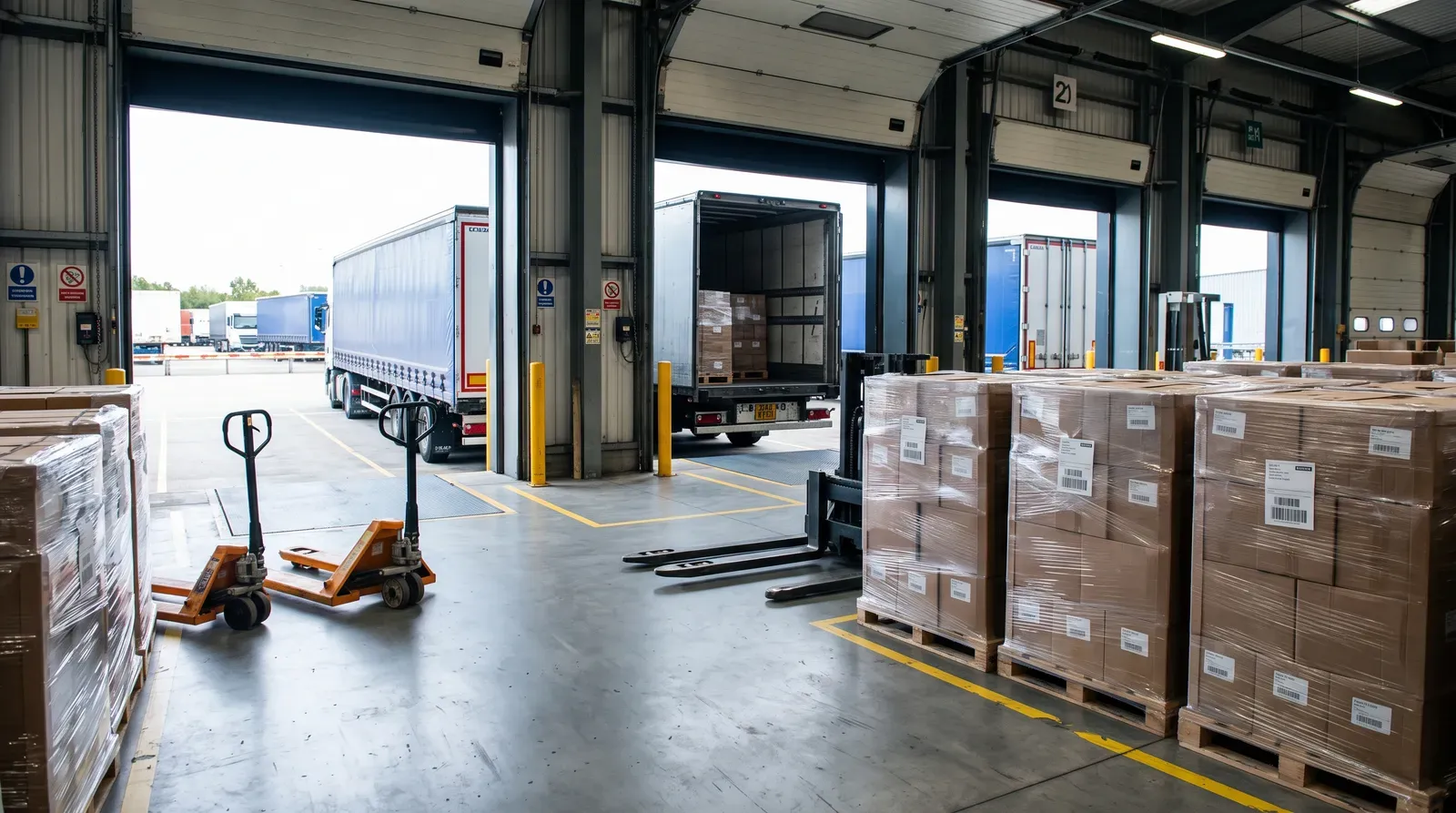
Harvested refrigeration heat can be directed to several thermal loads throughout a warehouse campus, creating immediate utility savings:
- Administrative space heating: While distribution zones remain chilled, administrative offices, dispatch desks, and break rooms require comfortable ambient temperatures. Hydronic loops driven by recovered heat supply baseboard radiators, fan coil units, and central air handling coils.
- Domestic hot water and sanitation: Distribution hubs generate significant hot water demand for restrooms, driver shower facilities, equipment wash stations, and sanitary washdowns in food handling sectors. A dedicated desuperheater loop easily elevates potable water to standard delivery temperatures.
- Frost heave prevention in freezer subfloors: Subzero cold stores continuously conduct cold into the soil beneath the building foundation. Without intervention, ground moisture freezes, expands, and buckles concrete floors. Pumping low temperature reclaimed heat through an underfloor glycol grid stops frost heave permanently without running costly electric heating cables.
- Loading dock ramp defrosting: In cold climates, open loading docks collect ice and snow, posing safety risks to forklifts and personnel. Hydronic snow melting loops embedded in dock aprons can be energized entirely with reclaimed refrigeration heat.
Technical considerations when designing a refrigeration heat recovery loop
Designing an effective heat recovery installation requires careful balancing between heating demand and refrigeration safety. The primary goal of any logistics facility is protecting cargo, which means the heat recovery apparatus must never disrupt compressor discharge pressures or cause uncontrolled refrigerant condensation. Incorporating automated three way bypass valves ensures that if the facility heating loop reaches its maximum setpoint, refrigerant diverts seamlessly to the primary outdoor condensers.
Material compatibility is equally vital. Modern facilities running natural refrigerants like ammonia or transcritical carbon dioxide demand exchangers capable of withstanding extreme pressure spikes and corrosive environments. Laser welded and all stainless configurations provide the necessary burst protection and eliminate cross contamination risks. In addition, installing well insulated thermal buffer storage tanks balances the intermittent nature of heating demands against continuous refrigeration operation, guaranteeing that hot water remains available even during brief compressor downtime.
Economic returns and operational resilience for cold chain facilities
Integrating plate heat exchangers into warehouse refrigeration systems delivers immediate reductions in facility operating expenditures. Cutting reliance on fossil fuel boilers or electric resistance heaters lowers site heating bills by 60 to 90 percent, often yielding full project payback within twelve to twenty-four months. Furthermore, capturing heat before it reaches outdoor condensers reduces the thermal load on cooling tower fans, trimming secondary electrical consumption and decreasing cooling water evaporation losses.
Beyond direct financial savings, waste heat recovery dramatically improves carbon accounting metrics. Corporate supply chain operators face growing pressure from retail partners and regulatory agencies to minimize greenhouse gas emissions. Repurposing discarded thermal energy directly reduces on site combustion emissions, contributing tangible progress toward environmental compliance and strengthening the long term commercial value of logistics infrastructure.
Turning discarded refrigeration energy into permanent operational advantage
Modern logistics management demands continuous optimization across every square foot of facility space, and energy efficiency represents one of the largest levers for protecting operating margins. Cold stores and refrigerated fulfillment centers maintain an inherent advantage over standard commercial buildings because their cooling equipment generates a constant, predictable source of high grade thermal energy every hour of the year.
Transitioning from atmospheric heat dumping to an integrated thermal recovery network is no longer an experimental engineering concept. Compact plate heat exchangers provide the reliability, pressure tolerance, and thermal efficiency needed to connect refrigeration circuits directly to facility heating infrastructure without endangering product temperatures. Logistics operators who invest in closing this thermal loop unlock substantial cost reductions, protect their physical assets against rising utility rates, and establish a leaner, more resilient supply chain operation for the future.