
Walmart is taking aerial fulfillment out of the experimental sandbox and embedding it directly into commercial retail infrastructure. By expanding its partnership with Wing into major metropolitan markets like Denver and Seattle, the retail giant is moving beyond low-density pilot zones and demonstrating that autonomous delivery can integrate seamlessly into active supply chains.
For logistics managers and retail operators, this move provides real-world validation of automated last-mile distribution. Flying lightweight orders directly from store parking lots to residential backyards bypasses congested surface streets, transforming local retail centers into high-velocity micro-fulfillment networks.
The Commercial Milestone of Walmart and Wing’s Expansion
The expansion into Denver and Seattle marks a clear shift from proof-of-concept testing to standardized regional deployment. Earlier drone trials focused primarily on sunbelt suburbs with flat terrain, open skies, and predictable weather patterns. Moving into the Pacific Northwest and the Rocky Mountain corridor presents varied topographies, complex weather profiles, and denser residential layouts.
Walmart is leveraging Wing’s autonomous aviation tech to service customer bases that demand fast, on-demand fulfillment. Instead of building out secondary distribution centers, the system relies on Walmart’s existing brick-and-mortar footprint. This network architecture drastically lowers capital investment requirements by treating local supercenters as ready-made fulfillment nodes.
The initiative proves that drone technology is mature enough to handle commercial operational tempo. Thousands of packages have already been delivered across earlier test corridors in Texas, giving operators the data needed to coordinate real-time inventory management with automated airspace dispatchers.
How Aerial Hubs Transform Traditional Last-Mile Fulfillment?
Traditional last-mile logistics relies on ground vehicles navigating fixed street grids, stoplights, and traffic delays. Drone integration rewires this dynamic by moving small-parcel movements off roads and into localized flight paths.
The physical operation at a participating store is straightforward:
- Store associates pick items from store shelves and load them into standardized, aerodynamic containers.
- The package is secured to the drone at an exterior pad located within the store perimeter.
- Automated routing software files a flight path, checks airspace conditions, and dispatches the aircraft without manual piloting.
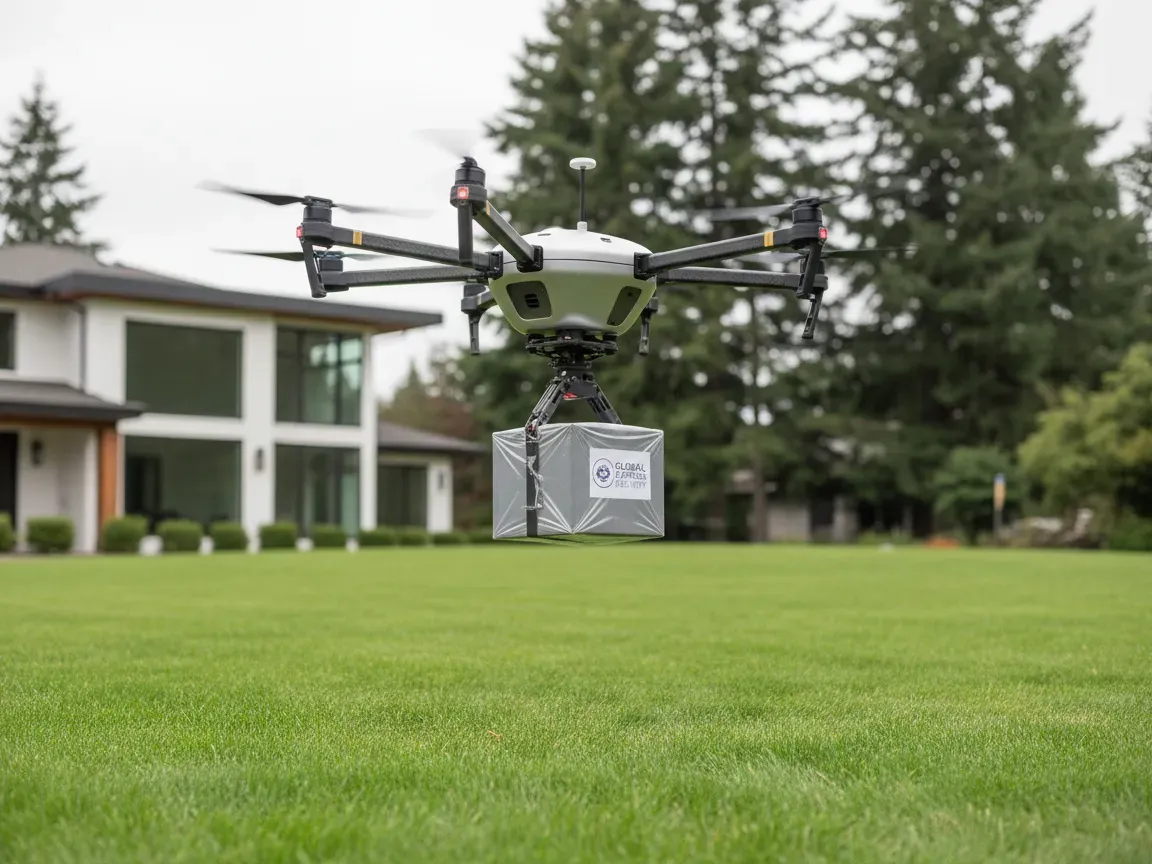
- Upon arrival, the drone hovers at a safe height, lowers the payload via an automated tether, and returns to the store base to swap batteries.
This setup slashes delivery times from hours to under 30 minutes from the moment a digital order clears. Store assets that once served only in-person foot traffic now function as automated distribution centers capable of servicing a multivariant radius of suburban households.
Key Operational Advantages Over Ground Courier Fleets
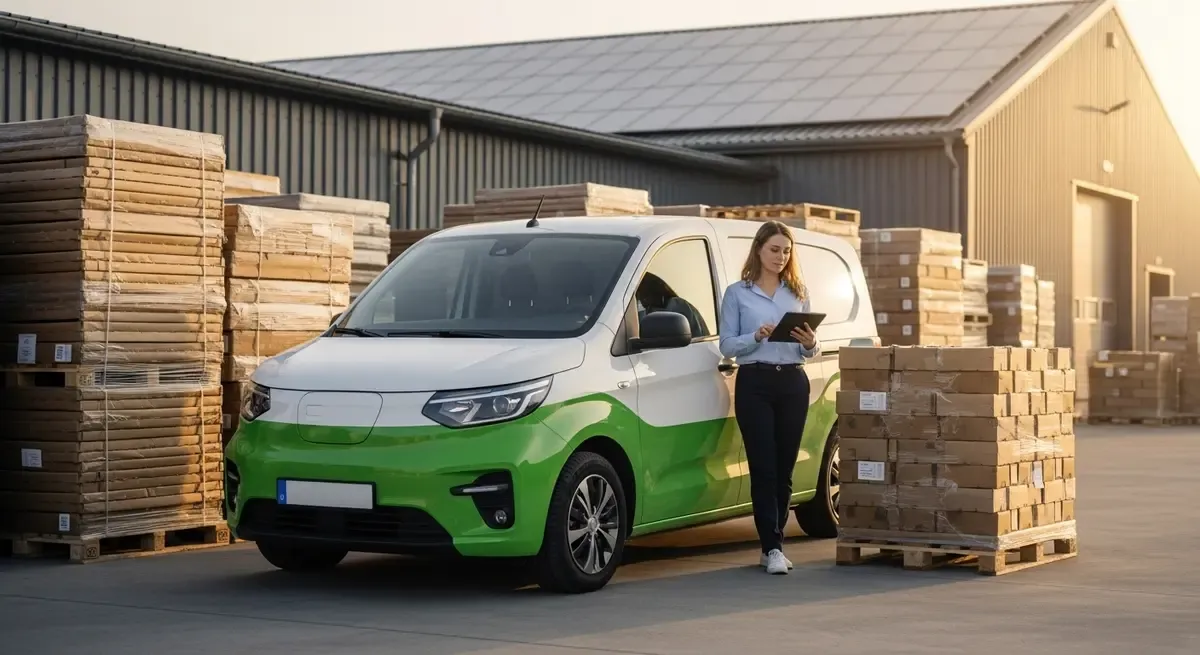
The economics of the last mile frequently erode margins on small-basket orders. Dispatching a multi-ton van or a gig-economy courier to deliver a single carton of milk, over-the-counter medicine, or emergency household supplies is inherently inefficient.
Drones eliminate much of this overhead by optimizing vehicle size for payload weight. Because the aircraft run on electric power, energy costs per delivered package drop dramatically compared to internal combustion courier vans sitting in idle traffic.
Speed directly impacts customer retention and order volume. Providing 30-minute guaranteed transit enables retailers to capture immediate convenience purchases that traditionally went to local corner stores or involved expensive express couriers. In addition, automated delivery reduces reliance on driver availability, shielding fulfillment operations from labor pool shortages and rising courier wage pressures.
Regulatory Hurdles and Infrastructure Constraints Facing Scale
Despite rapid progress, nationwide expansion is not just a software challenge. Retailers and their tech partners must work within strict regulatory frameworks managed by the Federal Aviation Administration (FAA).
Broad scale relies heavily on obtaining approvals for Beyond Visual Line of Sight (BVLOS) operations. Operating without visual observers on the ground requires reliable detect-and-avoid sensors, redundant communications, and real-time airspace integration with conventional aircraft. While recent FAA exemptions have accelerated rollouts, obtaining site-by-site clearance remains an intensive process.
Local suburban infrastructure also shapes operational limits. Flight corridors must respect residential noise ordinances, privacy concerns, and physical drop-off constraints such as overhead power lines, tall tree canopies, and narrow yards. Standardizing safe drop zones across diverse suburban neighborhoods requires robust computer vision and clear communication with end users.
What Drone Fleets Mean for the Future of Retail Logistics?
The rapid integration of aerial hubs proves that modern retail logistics is no longer strictly bound to pavement. As major players like Walmart normalize fast aerial drop-offs, consumer expectations will shift permanently toward near-instant fulfillment for everyday essentials.
Regional fulfillment networks will increasingly adopt a tiered structure:
- Heavy, bulk goods will continue to move through consolidated ground fleets and standard routing.
- High-priority, small-format goods will shift to direct aerial corridors.
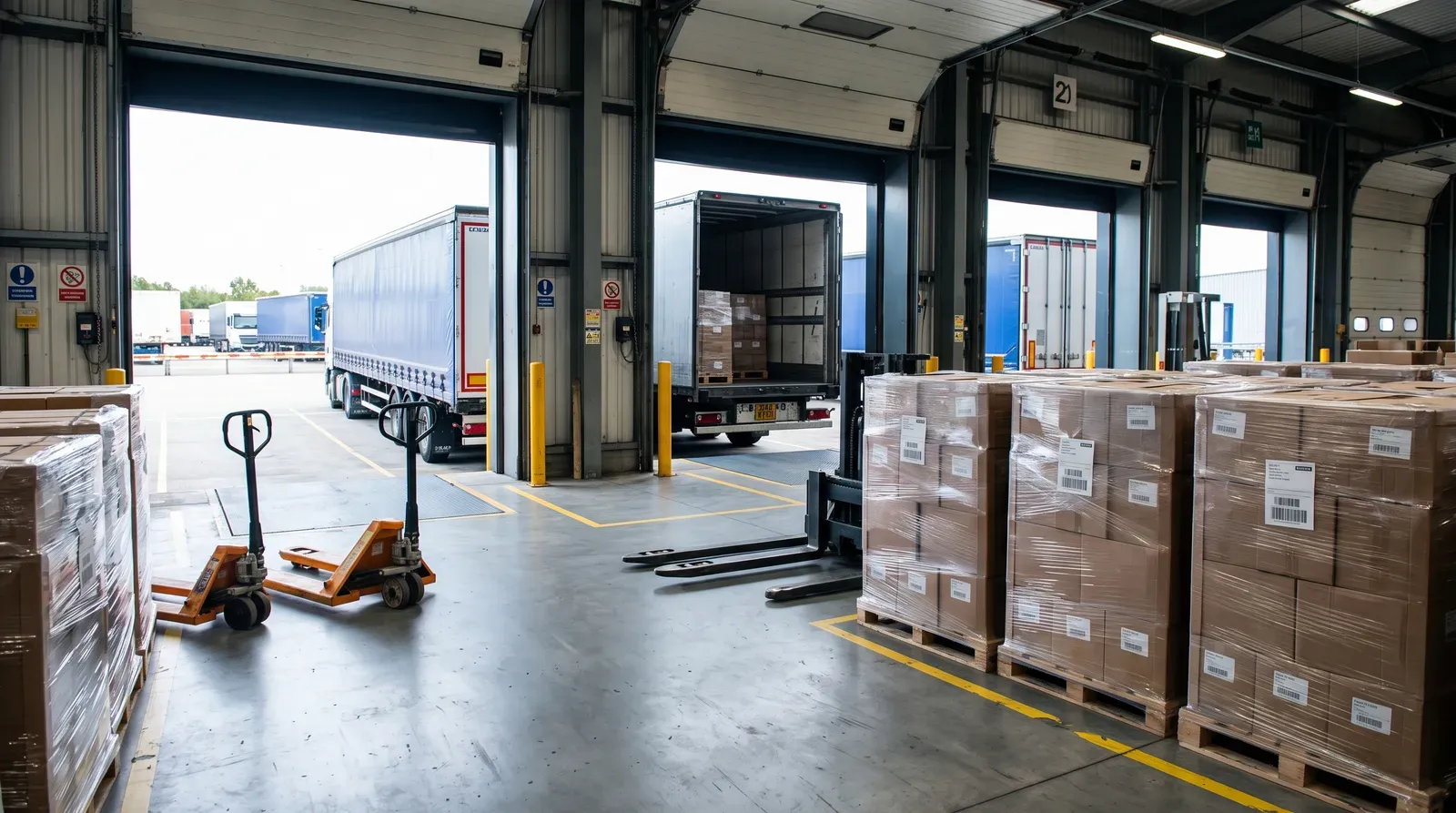
- Physical stores will be systematically retrofitted to host rooftop or parking-lot launch pads alongside standard loading docks.
Supply chain directors must look closely at how store layouts and inventory systems handle micro-fulfillment. Treating stores as dual-purpose sales and launch facilities requires real-time shelf tracking, quick packaging protocols, and seamless handoffs between retail floor staff and automated pads.
Building Last-Mile Networks Around Automated Skies
Autonomous aerial distribution is entering a phase of steady commercial scaling, shifting from an industry novelty to a competitive baseline. Walmart and Wing have shown that the physical retail store remains the ultimate operational advantage when combined with low-altitude aviation.
Logistics leaders should evaluate their fulfillment footprints today to identify which inventory profiles fit aerial transit. Preparing for this shift means standardizing packaging sizes, optimizing store-level picking speeds, and designing facilities that can interface with automated dispatch platforms.
Companies that treat local stores purely as walk-in retail risk falling behind competitors that convert those same buildings into high-frequency launchpads. The future of short-range delivery belongs to operations that successfully blend ground inventory with overhead transit.