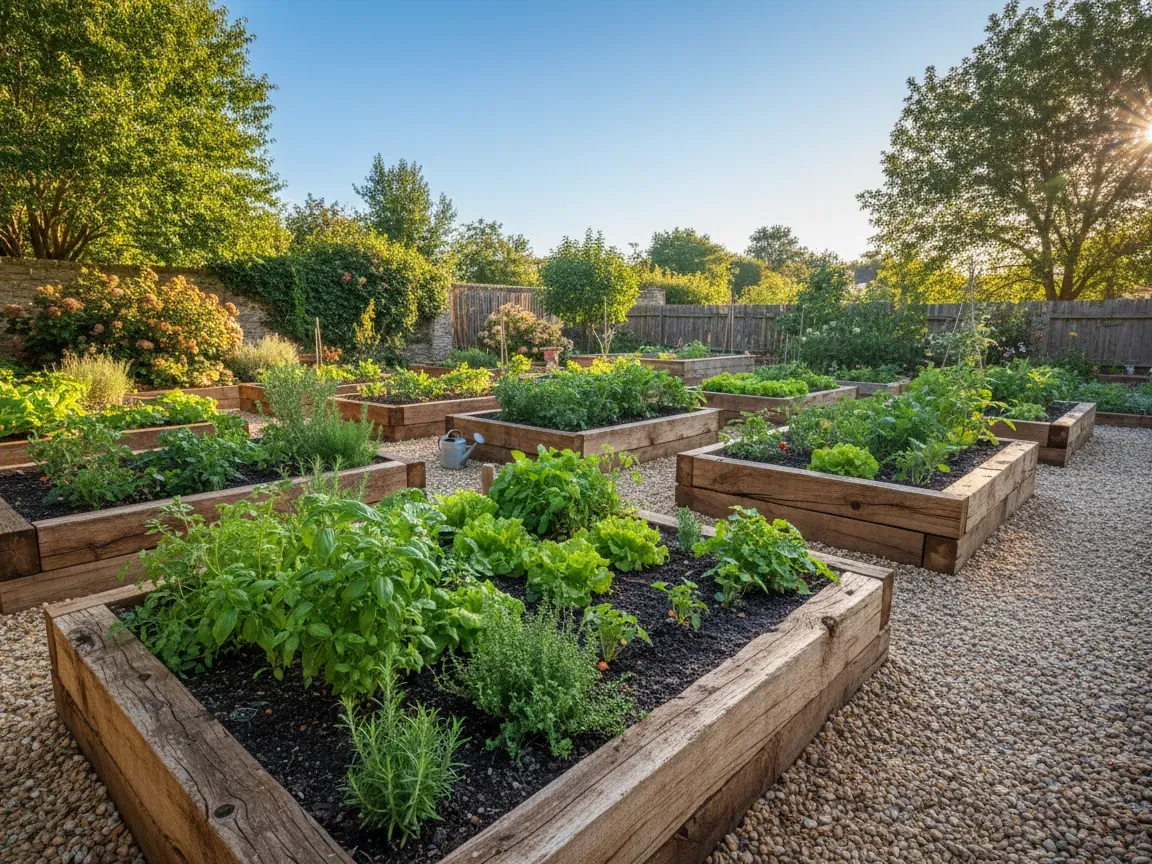

Raised garden beds remain one of the most effective ways to transform an ordinary backyard into a productive, visually appealing growing space. When you build these structures with hefty wooden timbers, you gain both structural durability and an architectural anchor that defines outdoor zones. Whether you want to cultivate crisp salad greens, establish perennial flowering borders, or tame an awkward slope, solid timber construction provides a reliable foundation that standard thin planks cannot match.
Why sleepers work best for raised beds?
Traditional raised bed kits often use thin boards that warp under the lateral pressure of heavy, wet soil after just a couple of seasons. Heavy timber beams solve this issue through sheer mass and stability. Their thick profile prevents bowing, withstands accidental bumps from lawnmowers or wheelbarrows, and creates a crisp perimeter that elevates overall yard aesthetics.
Beyond their physical strength, these timbers introduce natural warmth into outdoor designs. They create wide, comfortable edges where you can sit while weeding, harvesting, or tending to delicate seedlings. This ergonomic advantage reduces physical strain on your knees and lower back. Because they retain heat during sunny afternoons, thick wooden frames also gently buffer the soil temperature against sharp overnight drops, supporting extended root development throughout spring and fall.
How to choose the right timber for your yard?
Selecting timber requires balancing visual preference, budget, and long term durability. Modern treated softwood is lightweight, easy to cut with a circular saw, and chemically preserved to resist fungal decay and insect attacks. Hardwood alternatives, such as oak, offer immense natural resistance and a weathered silver patina that develops over time, though they are significantly heavier and demand pre-drilling for every fastener.
Safety is another critical consideration, particularly if you plan to harvest edible produce. Reclaimed railway ties treated with creosote should never be used near vegetables, herbs, or fruit bushes because toxic chemicals can leach into the root zone. Instead, source new, responsibly sourced pressure-treated garden sleepers that meet modern environmental standards. If you prefer untreated organic approaches, naturally rot-resistant timber species like cedar or larch provide clean solutions without chemical additives.
Smart layouts for sloped or compact gardens
Not every backyard presents a perfectly flat canvas, but strategic timber positioning turns tricky grades into stunning features. On sloping terrain, you can stagger beds in terraced tiers. The lower timber walls double as retaining barriers, holding back soil and capturing moisture that would otherwise run off during heavy downpours. Terracing transforms unusable hillsides into cascading layers of flowers, ornamental grasses, or root vegetables.
In compact urban yards or courtyard settings, modular geometric arrangements deliver maximum planting area without crowding walkways. L-shaped or U-shaped beds fit neatly into underutilized corners, keeping deep planting zones accessible from multiple angles. Maintaining paths of at least three feet between individual beds ensures adequate room for wheelbarrows, garden carts, and effortless weekend maintenance.
Steps to assemble a sturdy sleeper frame
Building a lasting frame starts well below the surface. Clear turf and debris from the footprint, then dig a shallow trench roughly four inches deep along the perimeter. Fill this trench with crushed gravel or compacted sharp sand to create a level, free-draining base that keeps the lowest timbers off moist, bare ground.
Position the first tier of timbers, verifying level alignment along both axes. Interlocking the corner joints using an overlapping lap pattern or alternating butt joints ensures structural rigidity. To fasten the layers, drive heavy duty exterior timber screws through the corners and stacked faces. Lining the interior walls with a permeable geotextile fabric shields the wood from continuous damp soil contact while allowing air exchange, extending the lifespan of your timber without compromising moisture movement.
Soil mixes and drainage tips for healthier roots
Even the sturdiest exterior frame cannot compensate for dense, suffocating soil. To avoid compacting roots, never fill deep beds solely with heavy native garden dirt, which settles into an impenetrable layer over time. Instead, blend topsoil, well-rotted organic compost, and coarse grit or perlite. This creates an open, crumbly texture that encourages feeder roots to spread quickly and absorb vital nutrients.
Proper drainage ensures plant survival during periods of torrential rain. If your bed sits over hardpan clay or concrete patio pavers, lay a base layer of coarse gravel or clean drainage stone before adding your soil mix. For beds deeper than eighteen inches, consider hugelkultur methods: place untreated logs and rough branches at the base, followed by dry leaves and soil. As this buried wood slowly breaks down, it acts like a sponge, retaining moisture during hot summers and releasing balanced organic nutrients directly to thirsty plants.
Creative ways to personalize your finished garden beds
A finished raised bed serves as a blank design canvas that can blend seamlessly into your landscape or stand out as a central feature. Staining the outer wood surfaces with outdoor wood oil accentuates the grain while offering an extra layer of weather defense. Soft charcoals, forest greens, or warm cedar tones can tie the timber directly into existing fencing, decking, or siding colors.
Incorporate functional accessories right into the timber frame. Affix sturdy metal trellises or wooden obelisks directly onto back walls to support climbing pole beans, sweet peas, or indeterminate heirloom tomatoes. Low-voltage LED strip lights tucked beneath overlapping capping rails cast a gentle downward glow over foliage at night, making your garden beds a scenic evening focal point.
Bringing your outdoor vision to life
Constructing raised beds with heavy timber gives you total control over soil quality, seasonal productivity, and landscape architecture. By combining sturdy materials with thoughtful drainage and tailored planting layouts, you create growing zones that thrive reliably year after year.
Taking time to level foundations and protect the interior timber pays immediate dividends in reduced maintenance and higher crop yields. Your outdoor space transforms into an organized, flourishing sanctuary that invites daily interaction, whether you are harvesting fresh herbs for dinner or enjoying lush ornamental blooms.