Create a Thriving Indoor Herb Garden This Winter and Brighten Your Home
Winter is the perfect time to bring fresh life into your living space by growing an indoor herb garden. Not only do fresh herbs elevate your cooking, but they also purify the air and add a refreshing burst of greenery to your home during the colder months. As daylight fades and temperatures drop, nurturing herbs indoors can transform your kitchen and mood alike. Let’s dive into everything you need to know to cultivate a flourishing indoor herb garden this winter.
Choose the Best Herbs That Flourish Indoors in Winter
The Top Herbs to Grow Inside When It’s Cold Outside
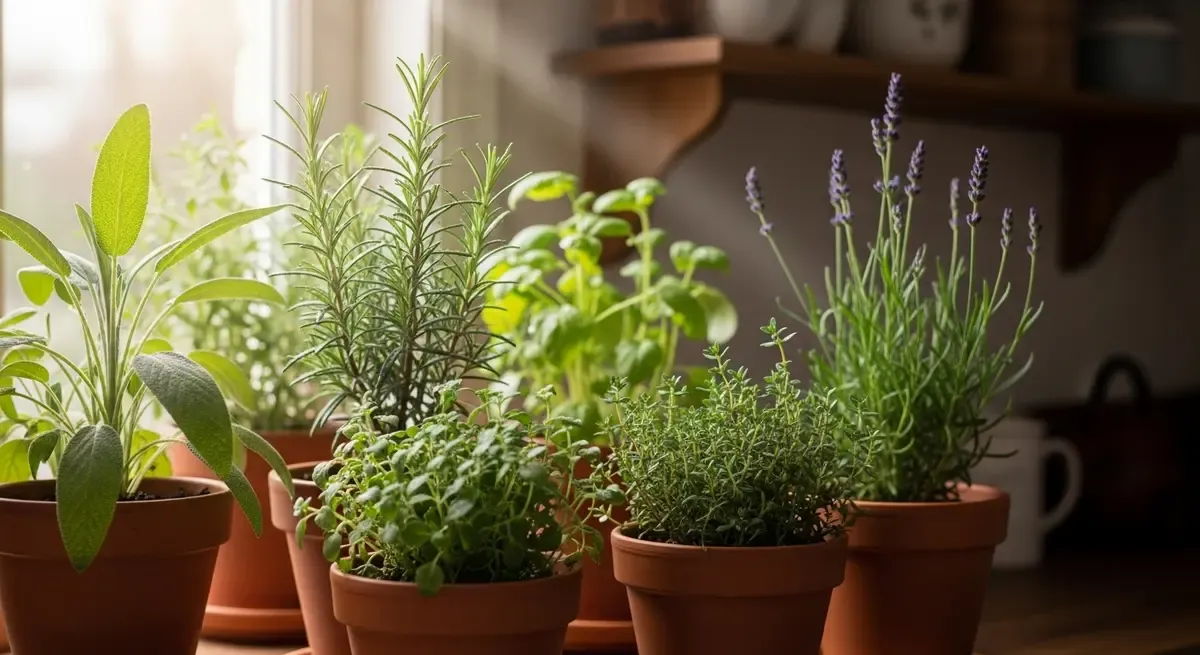
Sage, rosemary, thyme, lavender, and oregano are standout performers for indoor winter gardening. These hardy herbs adapt well to indoor conditions and reward you with fragrant, flavorful leaves. While chives may die back during winter, they’re resilient and will bounce back come spring. However, annuals like basil and cilantro generally struggle indoors during winter and are best avoided for indoor potting.
Herbs to Skip When Gardening Indoors
Some herbs, including annuals like cilantro and dill, tend to bolt and go to seed in winter, making them poor choices for indoor gardens. Knowing which herbs thrive or falter indoors will save you time and effort, ensuring your garden stays vibrant throughout the season.
Select Containers and Soil That Support Healthy Growth
Pick the Perfect Pots for Your Herbs
Opt for containers at least 6 inches deep to comfortably house the shallow root systems of most herbs. Materials matter, too—terra cotta pots excel at managing moisture levels, while metal tubs with drainage holes can also provide a healthy environment for your plants.
Create the Ideal Soil Mix
A well-draining blend of potting soil, coarse sand, and compost offers the perfect balance of nutrients and moisture control. Proper drainage is key to preventing root rot and keeping your herbs thriving.
Set Up the Right Environment for Your Indoor Garden
Light: The Fuel for Growth
Herbs typically need 4 to 6 hours of sunlight daily to flourish. Place your garden near south- or west-facing windows for direct sun exposure. If your windows face north or east, your herbs will still benefit from indirect light, but consider supplementing with grow lights during the shorter winter days to keep them healthy and vibrant.
Master the Art of Watering
Only water your herbs when the top 2 inches of soil feel dry to the touch. This simple rule prevents overwatering and keeps your plants hydrated without drowning their roots.
Planting and Caring for Your Indoor Herbs
Planting Tips for Success
Plant one herb per pot to give each plant enough room to grow strong and healthy. Layering the bottom of your container with landscaping cloth or burlap helps keep soil in place while ensuring excellent drainage.
Harvesting to Encourage Growth
When it’s time to harvest, cut no more than one-third of the plant at a time. This encourages new growth and keeps your herbs producing fresh leaves all winter long.
Prepare Your Herbs for a Smooth Return Outdoors in Spring
Transition Your Garden with Care
As spring arrives and the soil thaws, it’s time to move your herbs outside. Most herbs can be transplanted once the soil is workable, but be mindful that warmth-loving herbs like basil should wait until temperatures rise consistently.
Embrace the Joy of Indoor Herb Gardening This Winter
Maintaining an indoor herb garden throughout the winter is a rewarding way to add fresh flavors to your meals and a lively touch of nature to your home. Experiment with different herbs, enjoy the nurturing process, and watch your indoor garden thrive even in the chilliest months. Start planting today and turn your space into a green oasis all winter long.
Keywords
- Indoor herb garden
- Winter gardening
- Indoor herbs
- Potting herbs
- Grow herbs indoors
- Herbs for winter gardening