
Unlock the Secrets of Fall Pruning for Healthier Trees and Shrubs
Fall is more than just a season of colorful leaves—it’s the perfect time to give your trees and shrubs the care they need to thrive. Proper fall pruning can dramatically boost the growth of your plants, enhance flower and fruit production, and keep diseases at bay. Let’s dive into how you can master fall pruning to keep your landscape vibrant and strong all year long.
Why Fall Pruning is a Game-Changer for Your Garden
Pruning in autumn isn’t just about tidying up—it’s a strategic move to prepare your plants for winter and the seasons ahead. By cutting away dead or diseased branches, you help your trees and shrubs conserve energy and channel it toward developing robust root systems. This not only promotes healthier growth but also sets the stage for more abundant blooms in the spring.
Prune at the Right Time for Maximum Benefit
Autumn marks the dormant phase for many plants, making it the ideal moment for pruning. Dormant-season pruning reduces stress on your plants and allows cuts to heal more efficiently, boosting their resilience against winter’s challenges. Knowing your plants’ life cycles can guide you to prune at the perfect moment, ensuring they bounce back stronger.
Which Trees and Shrubs Thrive with Fall Pruning?
Not all plants respond the same way to fall pruning. Here’s a quick guide to those that benefit the most:
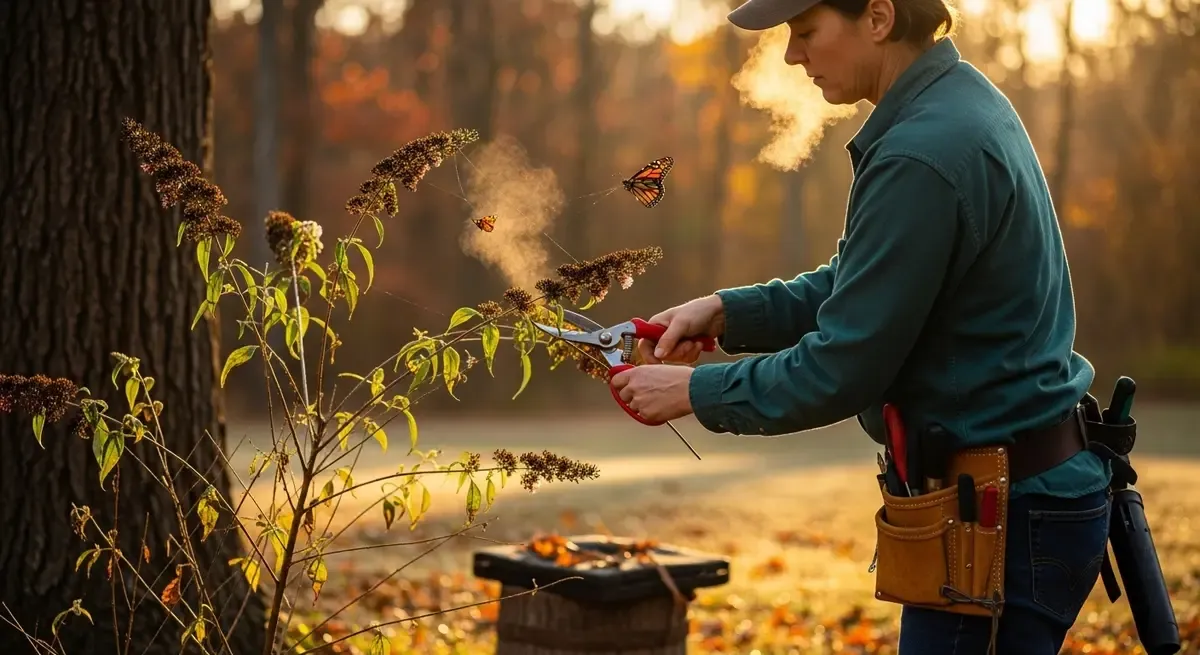
- Summer-blooming shrubs like hydrangeas and butterfly bushes flourish with autumn pruning.
- Rose bushes and forsythias need fall care to encourage healthy, vibrant blooms in the future.
Special Care for Plants with Unique Pruning Needs
Some species require a more tailored approach:
- Lilacs, for instance, should be pruned right after they bloom to stimulate fresh growth.
- Knowing the difference between old wood and new wood is essential, especially for hydrangeas, as it determines the best pruning time and method.
Mastering Essential Fall Pruning Techniques
Using the right tools and techniques can make all the difference. Sharp shears, loppers, and saws each serve a specific purpose and ensure clean cuts that promote healing. Always sanitize your tools beforehand to prevent disease spread. When pruning, aim for a clean cut at a 45º angle, close to the node, to encourage healthy new growth.
Focus on the “Three D’s” for Healthier Plants
Keep an eye out for dead, diseased, and damaged branches—removing these is crucial for maintaining plant health. For overgrown shrubs, consider rejuvenation pruning to breathe new life into your garden’s stars. But beware: heavy pruning in fall can expose plants to frost damage, so prune thoughtfully.
Avoid These Common Fall Pruning Pitfalls
Over-pruning can do more harm than good. Cutting away more than 30% of a plant’s foliage can stress it and stunt its growth. Also, avoid topping trees, as this disrupts their natural form and can cause long-term damage.
Timing is Everything—Know When to Hold Back
Some plants, like roses that bloom on new wood, should not be pruned in the fall, since this can eliminate next season’s flowers. Paying close attention to your plants’ growth habits and seasonal cycles will help you prune at the right time for the best results.
Share Your Fall Pruning Journey and Keep Growing
Fall pruning is a vital step toward nurturing healthier, more resilient trees and shrubs. By pruning thoughtfully this season, you’re setting your landscape up for beauty and vigor year-round.
We’d love to hear about your experiences! Comment below with your questions or successes, download our handy fall pruning checklist, and subscribe for ongoing gardening tips to keep your outdoor space thriving!