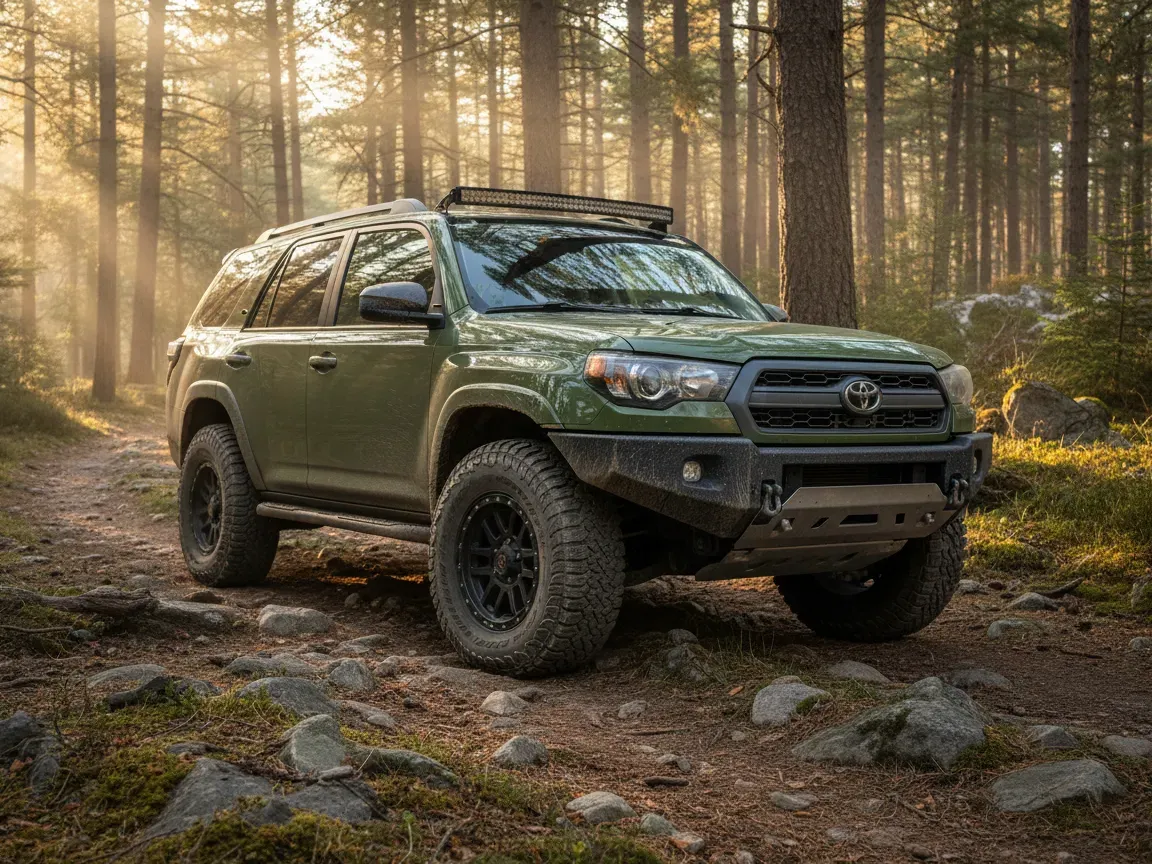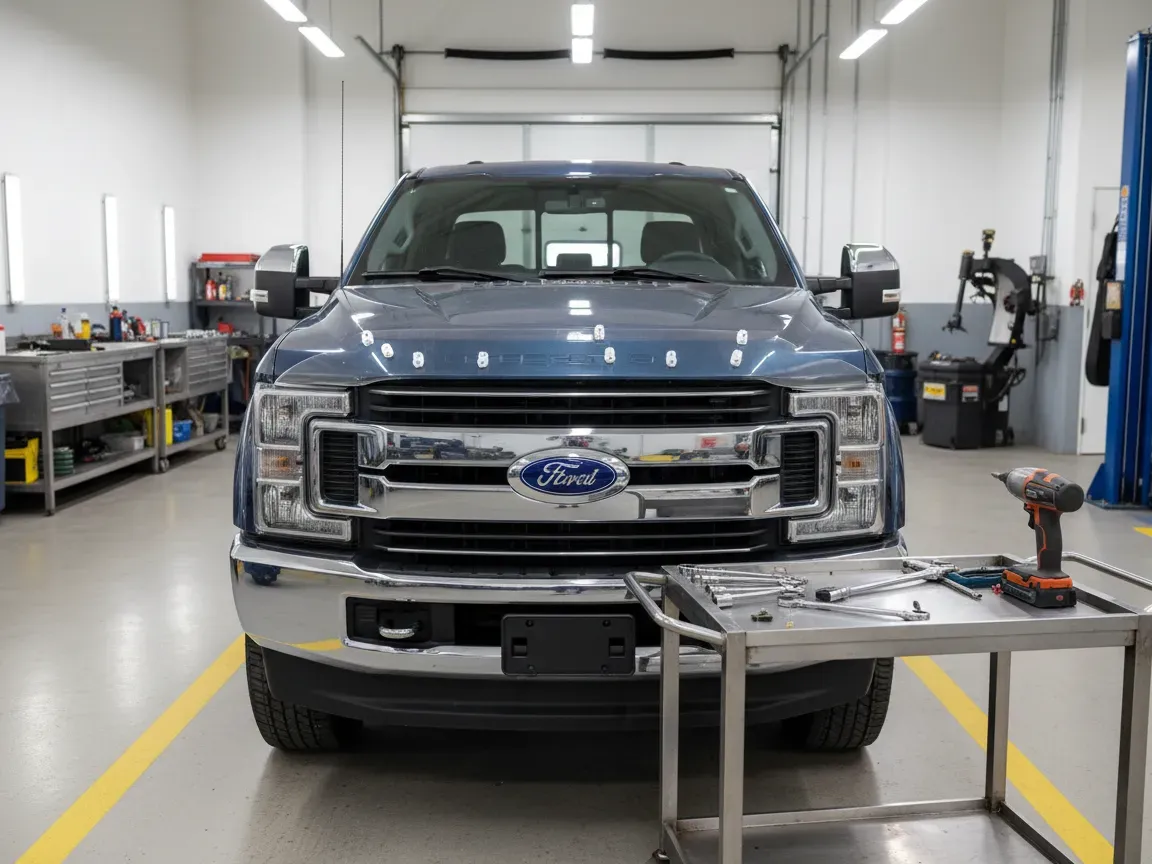

Federal auto safety regulators have launched a defect investigation into more than 535,000 GMC Sierra pickup trucks. The inquiry focuses on front-end grille components and deflector panels that can loosen, detach, and fly off the vehicle while traveling at highway speeds. The situation is particularly concerning because dozens of these incidents occurred on pickups that dealers had already serviced under an earlier General Motors safety recall.
The National Highway Traffic Safety Administration opened the probe after receiving multiple complaints from drivers who experienced sudden trim failures on open roads. For pickup owners, this investigation highlights an unresolved defect that poses immediate risks to both the truck and surrounding traffic.
What Triggered the Federal Probe into GMC Sierra Trucks?
The primary driver behind the federal investigation is a steady pattern of consumer complaints reporting front-end trim pieces breaking away unexpectedly. In numerous cases, drivers were traveling at standard highway speeds when the upper grille trim or front deflector detached completely.
Regulators took particular notice because many affected truck owners reported that their vehicles had already received the official recall remedy from GM dealerships. When a component fails again after undergoing a manufacturer recall repair, it signals to federal investigators that the original remedy was either flawed in its engineering or improperly executed across the dealer network.
Which GMC Sierra Model Years Are Under Investigation?
The investigation covers an estimated 535,000 light-duty and heavy-duty pickup trucks across recent production runs. The scope primarily targets late-model GMC Sierra 1500, 2500, and 3500 series trucks manufactured during the 2020 through 2023 model years.
Federal investigators are reviewing data across multiple trim packages, from standard work trucks to high-end luxury editions. Because these pickups share structural front fascia assemblies, regulators want to determine whether specific assembly plants, hardware suppliers, or clip designs correlate with the ongoing failures.
Why Prior Recall Fixes Failed to Secure the Grille?
General Motors previously issued a recall targeting defective clips and fasteners intended to hold the front deflector panel to the hood and grille assembly. The prescribed repair instructed technicians to inspect the existing retention clips, apply an adhesive or secondary fastener, or replace broken mounting brackets.
Field reports show that these corrective measures frequently deteriorated over time. The primary technical issues causing the repair to fail include:
- Excessive aerodynamic uplift at high speeds that overwhelms plastic mounting brackets
- Thermal expansion and contraction that degrades secondary adhesives applied by service technicians
- Fragile retention clips that crack under sustained wind vibration rather than remaining flexible
- Inconsistent installation practices across dealership service departments
Because the fix relied on reinforcement rather than a complete redesign of the mounting interface, the underlying aerodynamic forces continue to pull the parts free.
Highway Safety Hazards Posed by Detaching Grille Trim
A large piece of exterior molding separating from a truck at 70 miles per hour presents an immediate road hazard. The loose part can fly upward, striking the windshield of the Sierra itself, compromising driver visibility, and causing severe glass damage.
The hazard to trailing motorists is even greater. A heavy deflector panel bouncing across traffic lanes can puncture radiators, shatter windshields of following passenger cars, or cause trailing drivers to swerve abruptly. Such sudden evasive maneuvers on busy interstates dramatically increase the likelihood of multi-vehicle collisions.
How Should GMC Sierra Owners Inspect Their Front Deflectors?
Owners of affected Sierra trucks do not need specialized automotive tools to perform a preliminary check on their front fascia. Regular inspections can help identify loose parts before they fail completely on the road.
- Park the truck on a level surface and turn off the engine.
- Open the hood and inspect the upper plastic trim running along the top of the grille.
- Apply gentle upward and forward manual pressure along the perimeter of the deflector panel.
- Check for missing plastic clips, broken tabs, or widening gaps between the bodywork and the trim.
- Look for visible signs of previous adhesive failure, such as peeling tape or degraded bonding material.
If any section displays noticeable play or moves freely, the trim is compromised and requires immediate mechanical attention.
Next Steps and Legal Remedies for Affected Truck Owners
Truck owners who notice loose front trim should schedule a dealer service visit right away, even if the truck previously received recall work. Request that the service advisor document the loose condition on the repair order, including photographs of the defective brackets.
Drivers should also submit an official safety complaint through the NHTSA online portal. These consumer reports provide the data federal regulators need to push manufacturers toward expanding recall campaigns. Keeping comprehensive records of out-of-pocket repair bills, rental vehicle fees, and dealership correspondence is critical if General Motors is later required to offer reimbursement programs or extended warranties.
Staying Safe While Federal Regulators Complete Their Inquiry
The opening of an NHTSA investigation does not automatically trigger an immediate vehicle recall, but it confirms that federal authorities view the issue as a genuine safety defect. GMC Sierra drivers must treat loose front-end components as a serious maintenance priority rather than a cosmetic inconvenience. Performing regular physical checks before long highway trips is the most practical way to protect your vehicle and everyone sharing the road.
Truck owners should monitor their vehicle identification numbers on the federal safety database every few weeks to catch newly published recall bulletins. If your front deflector shows signs of movement, avoid temporary garage fixes with zip ties or consumer glue, and insist on official documentation from an authorized dealership service center. Taking proactive steps today ensures you have a clear paper trail should federal regulators mandate a permanent, manufacturer-funded hardware redesign.