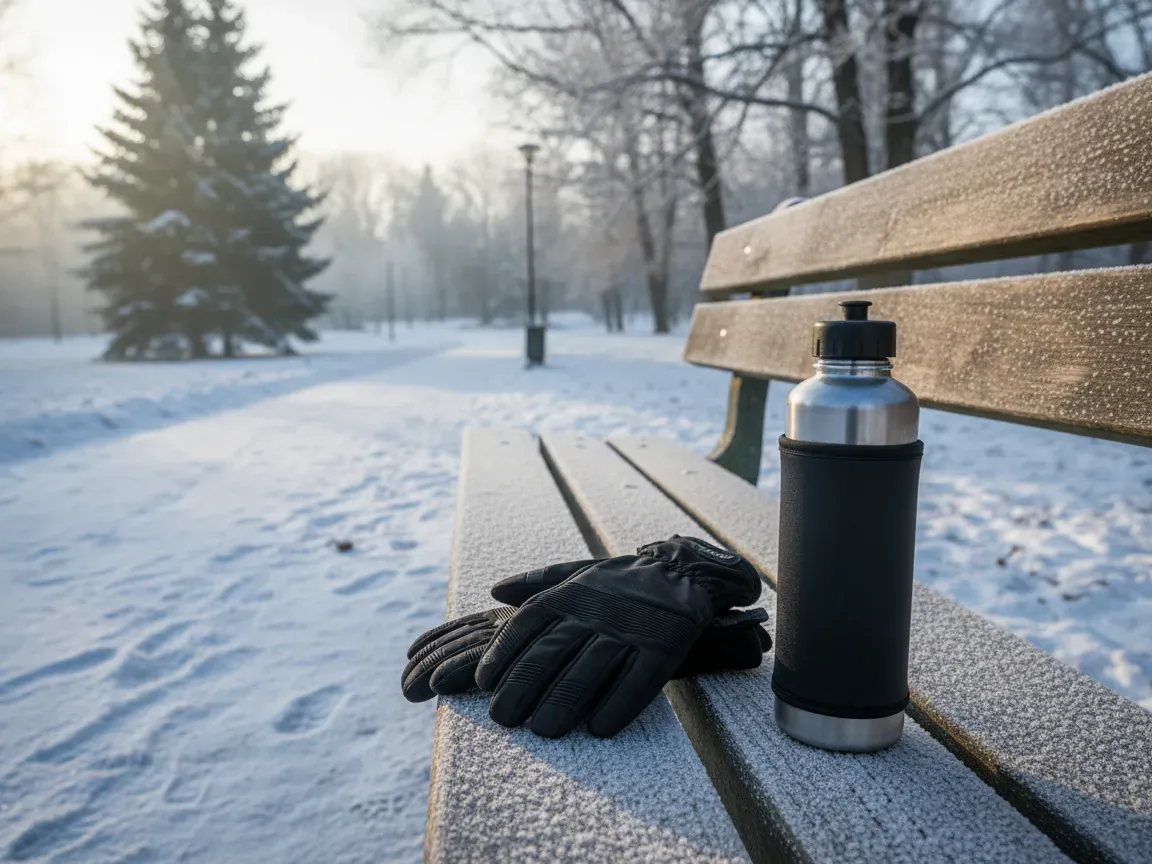

When winter temperatures plunge below freezing, the body prioritizes core organs, pulling blood flow away from extremities like the fingers. Numb hands quickly turn an easy recovery run into a miserable and unsafe workout. Investing in the right cold-weather handwear keeps you on track with your training block all season long.
Why Dedicated Running Gloves Are Essential for Winter Training?
Running gloves are engineered differently than heavy ski gloves or everyday casual knit wear. During high-output aerobic efforts, your hands sweat even in sub-freezing air. If that moisture gets trapped against your skin, it chills rapidly, causing severe discomfort and cold injuries.
Dedicated running handwear uses targeted thermal regulation and synthetic or merino blends. These materials pull sweat away from the skin while acting as a barrier against biting headwinds. They protect your hands without adding unnecessary bulk, ensuring you maintain a natural arm swing and complete range of motion.
Key Features to Look for in Cold-Weather Running Handwear
Before picking a pair, you need to understand the technical components that separate standard accessories from high-performance athletic gear.
- Moisture-wicking fabrics: Look for polyester, nylon, or merino wool that moves dampness away from the palms to keep hands dry.
- Windproof membranes: A wind-resistant shell on the back of the hand blocks chilling gusts without sacrificing internal breathability.
- Touchscreen compatibility: Conductive pads on index fingers and thumbs let you pause running apps, change music, or answer calls without exposing your skin to the cold.
- Reflective detailing: Reflective strips and logos enhance visibility during low-light dawn and dusk runs along traffic corridors.
- Integrated nose wipes: Soft terry or fleece patches on the thumbs are practical additions for managing cold-induced runny noses on the run.
Top 5 Running Gloves for Freezing Temperatures Reviewed
Craft Siberian 2.0 Glove
Built for harsh, near-zero conditions, the Craft Siberian 2.0 provides heavy-duty wind and water protection. It features a fleece lining that traps warm air, combined with an outer softshell that stops freezing headwinds instantly. Silicone prints across the palm give a confident grip for holding hydration flasks or house keys.
Smartwool Thermal Merino Glove
For runners who prefer natural fibers, this pure merino wool option delivers an exceptional warmth-to-weight ratio. Merino wool naturally resists odors, insulates even when damp, and breathes exceptionally well during hard tempo efforts. It works best in dry, crisp conditions hovering around the freezing mark.
Brooks Carbonite Glove
Designed specifically for city runners logging early-morning miles, the Brooks Carbonite blends thermal fleece with 3M Scotchlite reflective zones. The fabric balances moderate insulation with reliable ventilation, preventing clamminess once your internal engine warms up. Conductive fingertips ensure quick smartphone navigation.
Salomon Bonatti Waterproof Mitten
When conditions shift from dry cold to freezing rain or wet snow, a mitten shell is indispensable. The Salomon Bonatti features an ultralight waterproof membrane that slides over lighter glove liners. It traps heat efficiently by keeping fingers together, making it a reliable shield against severe winter storms.
Nike Sphere 3.0 Running Gloves
Engineered for fast-paced workouts, the Nike Sphere 3.0 uses a textured interior fabric that circulates warmth while letting excess heat escape. The extended ribbed cuff blocks drafts at the wrist, and touch-sensitive silicone elements on the fingers ensure zero issues when tapping a GPS watch or phone screen.
How to Choose the Right Pair for Your Climate and Pace?
Choosing the right glove requires evaluating your local weather patterns alongside your workout intensity.
If you run in breezy, coastal, or high-plains climates, windproofing on the back of the hand is far more important than thick internal padding. For humid, slushy environments, focus on water-resistant shells or convertible mittens that prevent sleet from soaking through the seams.
Your workout pace also plays a decisive role. Fast interval sessions produce significant body heat, meaning a lightweight liner glove is often enough to stay comfortable at 25 degrees Fahrenheit. In contrast, slow long runs generate less metabolic warmth, demanding heavier softshell insulation or thermal fleece to keep circulation steady.
Frequently Asked Questions About Winter Running Gloves
Should I choose gloves or mittens for running?
Mittens are significantly warmer because your fingers share body heat in an open compartment. However, gloves offer superior dexterity for grabbing energy gels, tying laces, and adjusting a watch. For extreme sub-zero days, convertible flip-top mittens give you the advantages of both styles.
Can I wash winter running gloves in a regular washing machine?
Most synthetic running gloves can be machine washed on a gentle, cold-water cycle. Avoid fabric softeners, which coat the technical fibers and ruin moisture-wicking properties. Always hang them to air dry, as dryer heat can melt touchscreen pads and silicone grip patterns.
Why do my fingers still feel cold during the first mile?
Your peripheral blood vessels stay constricted until your cardiovascular system warms up and distributes heat throughout the body. If your gloves are properly insulated, your fingers should warm up within ten to fifteen minutes of continuous running.
How to Build the Ultimate Cold-Weather Running Kit?
Hands are just one part of the winter running equation. A functional cold-weather kit works as an integrated system, balancing core warmth with breathability. Pairing your gloves with a wind-blocking vest, thermal tights, and a sweat-wicking beanie prevents your body from diverting blood away from your fingers in the first place.
Pay close attention to the junction between your sleeves and glove cuffs. An exposed strip of skin at the wrist acts as a radiator, dumping body heat into the air. Choose jackets with thumbholes or gloves with extended cuffs that tuck cleanly into your sleeves to seal out cold drafts.
Finding the Sweet Spot Between Warmth and Breathability
Running through the winter does not require piling on heavy layers that leave you soaked in sweat after two miles. The secret to consistent training in freezing conditions is choosing handwear that adapts to your body’s rising temperature while keeping harsh wind and moisture out.
When your hands stay warm, your entire body relaxes, allowing you to maintain proper running mechanics and focus on hitting your target pace. Evaluate the typical temperatures on your local routes, assess how heavily your hands sweat, and pick a pair that gives you the right mix of insulation and ventilation. Consistent winter mileage starts with keeping your extremities protected from the first mile to the last.